
My Baby Won’t Sleep at Night can test even the calmest parent. You’re not alone—around 20–30% of families report struggles with frequent nighttime awakenings or difficulty settling their infants.
This article digs into the true reasons behind nighttime crying and equips you with five practical, natural techniques—backed by science—that soothe your baby and help them drift off faster, all while promoting healthy sleep habits.
My Baby Won’t Sleep at Night: The Real Reasons
Physiological Needs: Hunger is the most common trigger—babies wake up because they need nourishment. It’s a basic cry pattern: a wail, brief silence, then more crying.
Overstimulation & Inconsistent Routines
My Baby Won’t Sleep at Night: When overstimulated during the day, babies may find it hard to transition to sleep at night. Inconsistent bedtime routines disrupt their circadian rhythm, making nighttime wakefulness more likely.
Developmental Discomforts: Teething, gas, or reflux can strike at night, intensifying discomfort and breaking sleep cycles.
Immature Neurological Mechanisms
Babies’ nervous systems are still developing. Crying may serve as a release, helping the brain return to equilibrium, but can also trigger elevated cortisol and other stress responses.
Scientific Insights & Techniques You’ll Use: Swaddling creates a womb-like, soothing environment, promoting longer periods of deep sleep—though it must be safe and correctly applied.
White noise helps up to 80% of newborns fall asleep faster—but must be limited in volume and exposure to protect hearing and development.
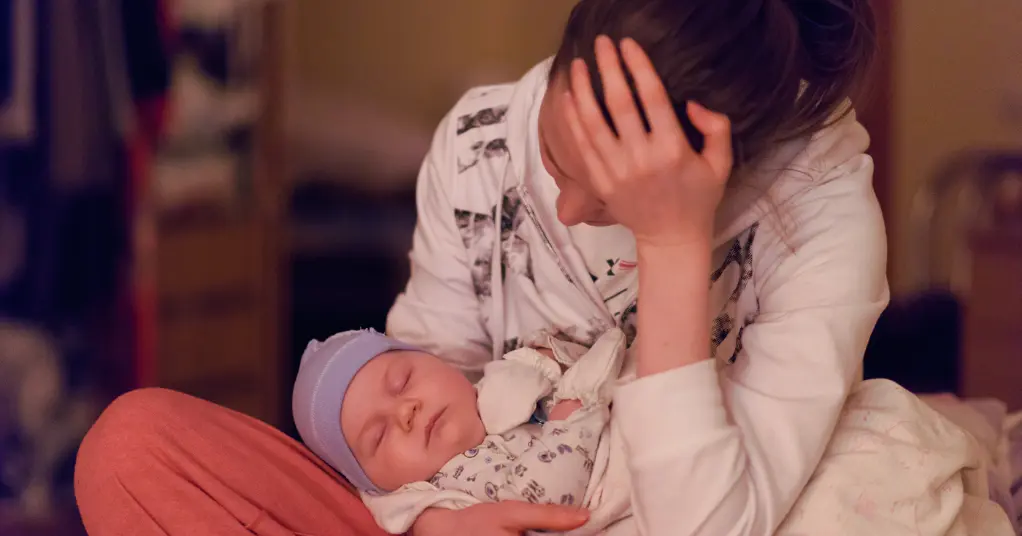
Natural Way – The Power of Swaddling
Swaddling mimics the tight, secure feeling of the womb. When done correctly, it can instantly calm a fussy baby, reduce the startle reflex, and promote longer, uninterrupted sleep.
But it’s not just a comforting trick—it’s backed by science. A study in the Journal of Pediatrics found that swaddled infants experience significantly improved sleep patterns compared to non-swaddled infants, especially during the first two months of life.
However, swaddling must be done safely. Here’s how to do it right:
- Use a lightweight, breathable blanket.
- Keep the baby’s hips loose to prevent hip dysplasia.
- Stop swaddling once your baby starts rolling over—usually around 2 months.
Quick Tip: Some babies don’t respond well to traditional swaddling. In those cases, try transitional sleep sacks that allow partial arm movement while still offering the security they crave.
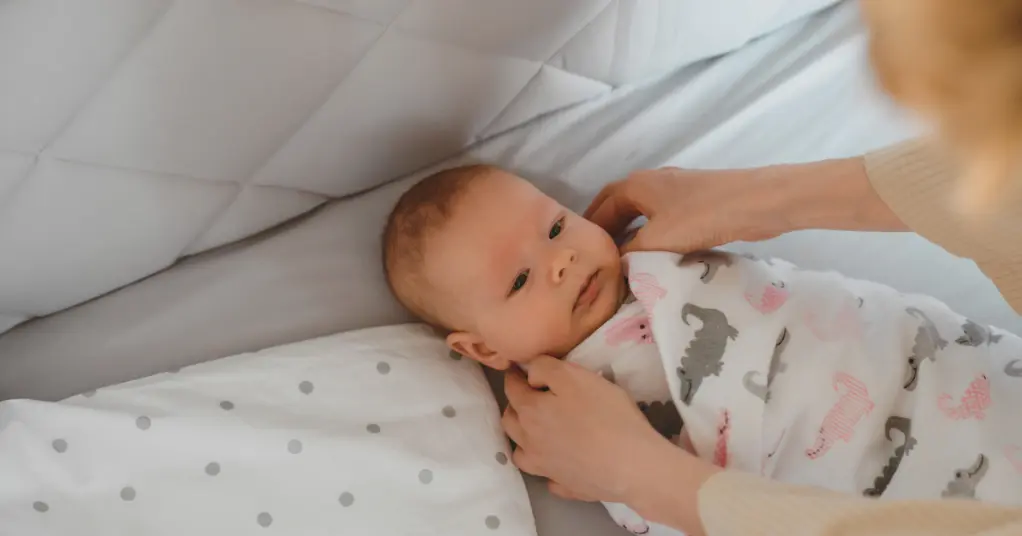
Natural Way – White Noise: Recreating the Womb
My Baby Won’t Sleep at Night: For a newborn, silence is unfamiliar. Inside the womb, babies are surrounded by constant sound—the whoosh of blood flow, the rhythm of the mother’s heartbeat, and muffled voices. That’s why white noise works like magic for many infants.
White noise machines, apps, or even a simple fan can help recreate this soothing environment. According to a study published in Archives of Disease in Childhood, 80% of newborns exposed to white noise fell asleep within five minutes, compared to only 25% in a quiet room.
Benefits of white noise:
- Masks household or street noises that might wake the baby.
- Helps establish a consistent sleep cue.
- Reduces crying time by offering a familiar auditory backdrop.
How to use white noise safely:
- Keep the volume below 50 decibels (about the sound level of a soft shower).
- Place the source at least 2 meters away from your baby’s crib.
- Use it only during sleep or bedtime routines—not all day long.
Quick Tip: Look for machines or apps with a continuous play feature to avoid abrupt silence that may startle the baby awake.
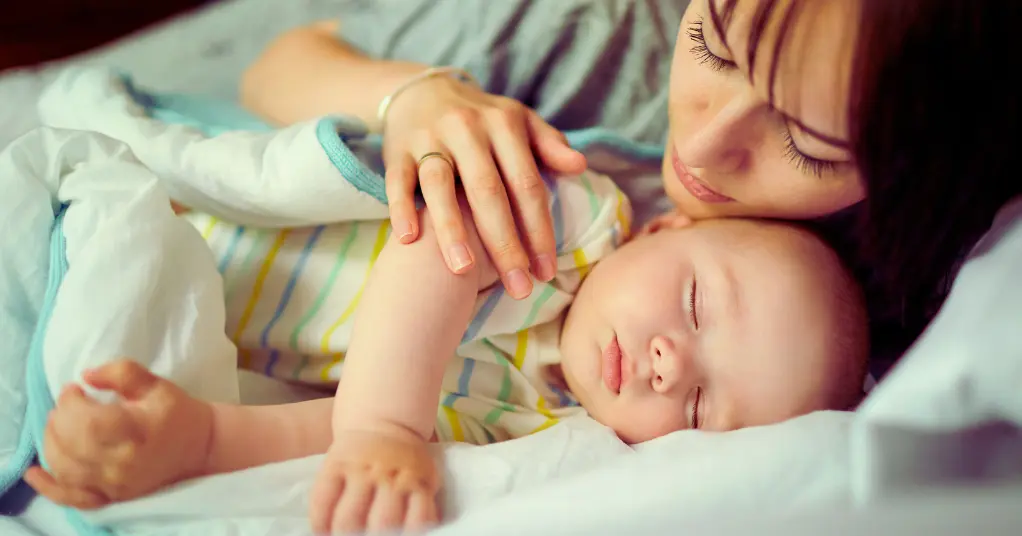
Natural Way – Soothing Routines and Bedtime Rituals
My Baby Won’t Sleep at Night: Babies, like adults, find comfort in predictability. Establishing a consistent bedtime routine sends powerful signals to your baby’s brain: “It’s time to relax, slow down, and sleep.”
A good routine doesn’t have to be complicated or long. In fact, the simpler and more consistent, the better.
Recommended soothing bedtime rituals:
- Warm bath: Helps regulate body temperature and signals the brain that it’s time to wind down.
- Gentle feeding: Whether breastfeeding or bottle-feeding, feeding in a quiet, dimly lit room helps calm both baby and mom.
- Soft lullabies or storytime: Even if your baby doesn’t understand words yet, your calm voice creates a reassuring atmosphere.
- Infant massage: Gentle strokes on the legs, arms, and back using baby-safe oil can reduce cortisol levels and promote deeper sleep.
- What science says: A 2017 clinical study in Early Human Development found that a consistent bedtime routine improved infant sleep latency (how fast they fall asleep), increased total sleep duration, and reduced nighttime awakenings.
Quick Tip: Keep the order of the routine the same every night. Repetition builds a powerful sleep association in your baby’s developing brain.
Control the Room Temperature and Create a Sleep-Friendly Environment
My Baby Won’t Sleep at Night: A baby’s sleep can be highly sensitive to the physical environment. One of the most overlooked reasons behind night waking is discomfort from room temperature, lighting, or noise.
Ideal sleep environment checklist: Room temperature: Pediatricians recommend maintaining the nursery between 68°F to 72°F (20°C to 22°C). Overheating or chilling can cause irritability and restlessness.
Darkness: Babies begin to distinguish day from night around 6–8 weeks old. Using blackout curtains and dim lighting at night helps reinforce the difference.
White noise: A soft white noise machine mimics the sounds of the womb, blocking out sudden external noises like cars or barking dogs.
Fresh air: Make sure the room is well-ventilated. Stuffy rooms can disrupt breathing and cause discomfort.
What medical experts say: According to the American Academy of Pediatrics (AAP), overheating is a known risk factor for Sudden Infant Death Syndrome (SIDS). Ensuring a comfortable room temperature not only helps babies sleep better but also keeps them safer.
Quick Tip: Dress your baby in one more layer than you would wear in the same room. Use a breathable sleep sack instead of a heavy blanket.
Natural Way – Skin-to-Skin and Bonding for Emotional Security
My Baby Won’t Sleep at Night: Sometimes, the solution to your baby’s nighttime crying is not external—it’s emotional. Newborns and infants often cry at night because they miss the warmth, smell, and heartbeat of their caregiver.
Why Skin-to-Skin Contact Works: Skin-to-skin contact releases oxytocin, often called the “love hormone.” This powerful hormone reduces stress in both the baby and the parent, regulates the baby’s heartbeat, and enhances feelings of safety and calm.
Best times for bonding: After a warm bath, wrap your baby in a towel and hold them skin-to-skin.
During the bedtime routine: cuddle for a few minutes before placing them in the crib.
If your baby wakes up crying in the middle of the night, a few minutes of chest-to-chest contact can do wonders.
What science says: Studies published in journals like Pediatrics and Early Human Development have confirmed that regular skin-to-skin contact reduces crying, stabilizes breathing, and helps infants fall asleep faster and stay asleep longer.
Gentle reminder: You don’t need to “train” your baby to be independent at night. Babies thrive on attachment—and nighttime is no exception.
When to Worry: Signs Your Baby’s Night Waking Isn’t Normal
While frequent night waking is usually a normal part of infancy, there are certain red flags every parent should be aware of. Sometimes, persistent crying and sleep disturbance may signal underlying health or developmental issues.
Warning signs to look out for: High-pitched or inconsolable crying that doesn’t ease with soothing
- Poor weight gain or refusal to feed, especially at night
- Breathing irregularities, snoring, or gasping during sleep
- Sudden change in sleep patterns after a period of normal sleep
- Arching of the back or signs of pain during or after feeds (may suggest reflux)
Possible causes to investigate:
- Gastroesophageal reflux (GERD)
- Ear infections
- Sleep apnea
- Allergies or food sensitivities
- Neurological concerns (rare but important to rule out)
What to do: If you notice any of these signs, trust your instincts and consult your pediatrician. Keeping a sleep diary can help track patterns and provide useful insights for your healthcare provider.
Pro tip: Record short videos of your baby’s sleep behavior at night if something seems off. These clips can be helpful during a medical consultation.
Final Thoughts: Trust Yourself, Stay Calm, and Keep Showing Up
If your baby won’t sleep at night, you’re not alone. Night waking is exhausting, but it doesn’t mean you’re doing something wrong. In fact, frequent night waking is developmentally normal in babies, especially during the first year and even beyond.
What matters most is that you trust yourself as a parent. No one knows your baby better than you do. Listen to your instincts, ask for help when needed, and try strategies that feel right for you and your child.
Final Tips:
- Don’t compare your baby’s sleep with others.
- Let go of perfection; aim for flexibility and patience.
- Keep showing up, even when it’s hard.
Every sleepless night is a small step toward your baby’s nervous system maturing and learning to self-regulate. One day soon, your little one will sleep through the night—and you’ll look back at these nights with gratitude and strength. You’re doing an amazing job.
FAQ About Baby Night Sleep
1. When will my baby start sleeping through the night?
Some babies begin to sleep for longer stretches between 4 to 6 months, but every child is different. Night waking is still normal during the first year of life.
2. Is it normal for my baby to wake up every hour?
Yes, especially in the early months. Babies may wake every hour due to hunger, light sleep cycles, or needing reassurance. If it continues past 6 months, reviewing your sleep routine might help.
3. Does nighttime crying always mean pain or colic?
Not always. Crying could be caused by overtiredness, separation anxiety, teething, or simply needing comfort. Watch for signs like arching back, high-pitched cries, or pulling legs to rule out pain.
4. Can I sleep train my baby early on?
You can start building healthy sleep habits from 6 weeks old, but formal sleep training is usually not recommended before 4 to 6 months. Gentle methods that consider emotional needs are best.
5. Does breastfeeding help babies sleep better?
Breastfeeding offers comfort and closeness, but it doesn’t guarantee uninterrupted sleep. Some babies nurse frequently at night for growth or emotional security.
References and Medical Sources
- American Academy of Pediatrics. (2023). Sleep: What Every Parent Needs to Know. Retrieved from https://www.healthychildren.org
- Centers for Disease Control and Prevention (CDC). (2023). Infant Sleep Guidelines. Retrieved from https://www.cdc.gov/sids
- National Sleep Foundation. (2023). Baby Sleep Patterns by Age. Retrieved from https://www.sleepfoundation.org
- Mayo Clinic. (2023). Infant Sleep: What to Expect. Retrieved from https://www.mayoclinic.org
- Nemours KidsHealth. (2023). Why Babies Cry at Night. Retrieved from https://kidshealth.org
- NHS (National Health Service – UK). (2023). Getting Your Baby to Sleep. Retrieved from https://www.nhs.uk
- Harvard Medical School. (2022). Helping Babies Sleep Better Naturally. Retrieved from https://www.health.harvard.edu
- La Leche League International. (2023). Breastfeeding and Nighttime Sleep. Retrieved from https://www.llli.org