
Choosing between Natural birth vs c-sectio (C-section) is one of the most important decisions expectant mothers face. With rising global C-section rates and growing awareness about the benefits of vaginal birth, this topic is both personal and culturally significant.
By weeks 23–27—the sixth month of pregnancy—you’re approaching the final stretch before delivery. Anxiety about the unknown begins to surface. You’re likely wondering:
Which method is scientifically safer for my baby?
How will I recover physically and emotionally?
Are there hidden risks or advantages to consider?
Natural birth vs c-sectio: This article will walk you through the latest medical evidence, emotional realities, and real-life stories to help you make a truly informed choice. Whether you’re leaning toward a natural birth or feel more comfortable with a C-section, my goal is to empower you—body and mind—with clarity, confidence, and compassion.
The Big Debate: Natural birth vs c-sectio
The choice between Natural birth vs c-sectio isn’t merely a medical one—it’s emotional, cultural, and deeply personal. This debate has sparked conversations across delivery rooms, online forums, and even government health policies. So, what’s fueling this global dilemma?
Global Trends in Birth Methods
Over the past three decades, the rate of C-sections has skyrocketed. According to the World Health Organization (WHO), the global average C-section rate exceeds 21%, with some countries reporting rates over 50%—often without medical necessity.
Natural births, once considered the default, are now sometimes viewed as unpredictable or even risky. But is that perception backed by science? Not entirely.
Important Point: The WHO recommends that C-section rates should not exceed 10–15% unless medically necessary, as higher rates do not correlate with better outcomes for mothers or babies.
The Role of Culture and Convenience
In many cases, the rise in C-sections is tied more to cultural beliefs, fear of labor pain, and even hospital policies than to clinical necessity. For example:
- In countries like Brazil and Egypt, elective C-sections are common among upper-income women.
- In the U.S., C-sections are sometimes scheduled for non-medical reasons like convenience or fear of malpractice lawsuits.
- Some women choose C-sections to avoid labor pain or trauma from previous vaginal births.
- On the other hand, natural birth advocates emphasize the body’s innate ability to deliver, lower risks of complications, and stronger mother–baby bonding.
The Emotional and Psychological Impact
Beyond the physical aspects, the choice can deeply affect a woman’s emotional experience:
- Natural birth is often associated with empowerment and accomplishment.
- A C-section may bring relief for those afraid of long labor, but it can also carry feelings of guilt or disappointment—especially when unplanned.
- Understanding these emotional layers is crucial when comparing both birth methods. It’s not just about outcomes—it’s about the experience.
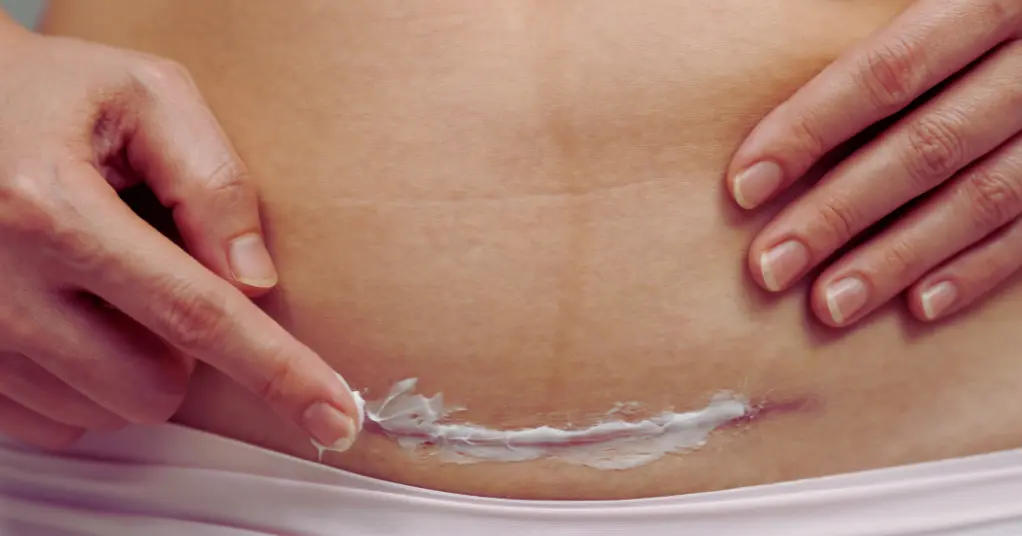
Natural birth vs c-sectio: Understanding Natural Birth
Natural birth is more than just delivering vaginally without surgery—it’s an experience rooted in the body’s natural capability, often carried out with minimal medical intervention. But to understand what it truly means, we must go beyond the surface and explore its process, benefits, risks, and the common myths that surround it.
What Is a Natural Birth?
A natural birth typically refers to:
- A vaginal delivery without medical interventions such as epidural anesthesia, induced labor, or continuous fetal monitoring.
- Births assisted by techniques like breathing exercises, hydrotherapy, massage, and movement freedom.
- Often occurring in birth centers or at home, though some women choose natural births within hospitals.
- Natural does not mean unassisted or unsafe—it means trusting the body and being supported in a low-intervention environment.
Benefits of Natural Birth
Women who opt for natural birth often do so for compelling health and emotional reasons:
- Shorter recovery time: No surgery means less pain and faster return to normal activities.
- Lower infection risk: No incision or surgical entry reduces infection risk for both mother and baby.
- Improved hormonal bonding: Oxytocin and endorphins released during vaginal birth enhance bonding and breastfeeding.
- Increased sense of empowerment: Many women report a profound sense of accomplishment and connection to their bodies.
Natural birth vs c-sectio: according to the American College of Obstetricians and Gynecologists (ACOG), women with low-risk pregnancies are often safe candidates for vaginal births without interventions.
Risks and Challenges of Natural Birth
However, natural birth isn’t without its challenges:
- Labor pain: Without medical pain relief, contractions can be intense and exhausting.
- Unpredictability: Labor duration, intensity, and complications are often out of one’s control.
- Emergency interventions: Even planned natural births can end in emergency C-sections or assisted deliveries (forceps/vacuum).
Proper preparation and support (such as having a trained doula or midwife) can help mitigate many of these risks.
Myths About Natural Birth
Let’s debunk a few persistent myths:
- Myth: Natural birth is only for “hippies” or the overly brave.
- Truth: It’s a medically supported option for many low-risk pregnancies.
- Myth: If you choose natural birth, you’re rejecting medicine.
- Truth: It’s about minimizing intervention, not refusing care when needed.
- Myth: Natural birth is unsafe.
- Truth: When well-supported and planned, natural births can be just as safe as hospital deliveries.
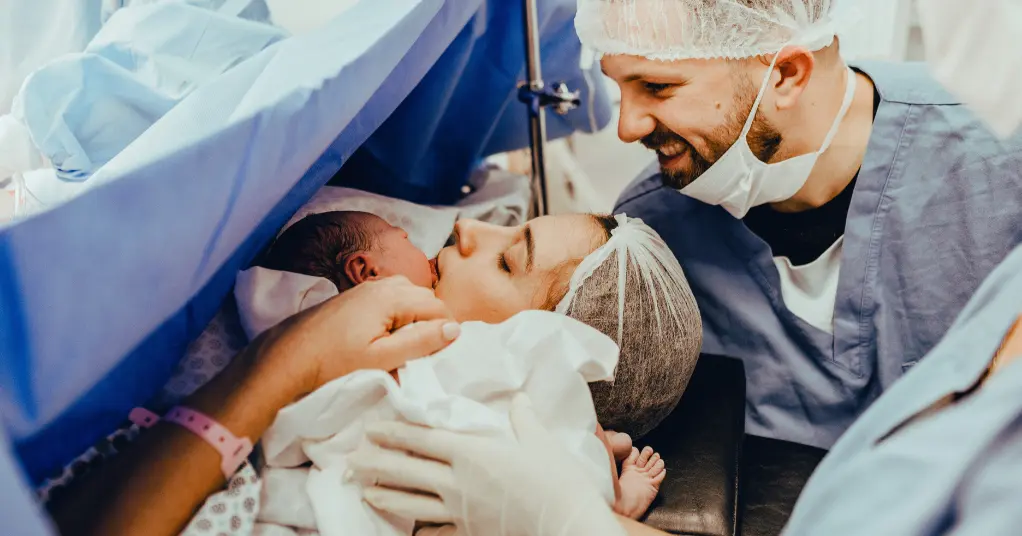
The C-Section Reality: What You’re Not Told
Cesarean delivery (C-section) is a major surgical procedure that saves lives when medically necessary—but it’s also surrounded by misconceptions, overlooked risks, and rising usage that often goes unexplained to mothers. Understanding the full picture helps expectant moms make informed decisions.
What Is a C-Section?
A C-section is a surgical procedure in which the baby is delivered through incisions in the mother’s abdomen and uterus. It may be:
- Planned (elective): scheduled in advance for medical or personal reasons.
- Unplanned (emergency): performed when complications arise during labor.
While C-sections are often perceived as convenient or less painful, they come with important considerations.
When Is a C-Section Medically Necessary?
According to WHO and Mayo Clinic, situations that often require a C-section include:
- Placenta previa: where the placenta covers the cervix.
- Fetal distress: abnormal heart rate or oxygen supply to the baby.
- Breech position: when the baby is feet- or buttocks-first.
- Failure to progress: prolonged labor or stalled dilation.
- Multiple births: especially if not all babies are in optimal position.
- In such cases, a C-section can be life-saving for both mother and baby.
The Hidden Risks of C-Sections
Despite their life-saving value, C-sections carry more risks than many expect:
- Longer recovery time: typically 6–8 weeks with mobility limitations.
- Higher infection rates: due to surgical incisions and internal exposure.
- Increased risk of blood clots, adhesions, and organ injury.
- Breathing issues in newborns, especially if born before 39 weeks.
- Complications in future pregnancies, such as uterine rupture or placenta accreta.
The CDC reports that women who undergo C-sections are more likely to experience severe maternal morbidity compared to vaginal births.
The Psychological and Emotional Toll
Some mothers experience unexpected emotional responses to C-sections:
- Feelings of guilt or inadequacy.
- Postpartum depression or birth trauma.
- Detachment due to separation from the baby immediately after birth.
- Proper education and postpartum support are crucial to help mothers process their experience in a healthy way.
Common Myths About C-Sections
Let’s debunk common myths:
- Myth: C-sections are the easier way out.
- Truth: Surgery and recovery are often more physically demanding than vaginal birth.
- Myth: You can’t breastfeed after a C-section.
- Truth: Most women can initiate and continue breastfeeding successfully with proper support.
- Myth: Once a C-section, always a C-section.
Truth: Many women are candidates for VBAC (Vaginal Birth After Cesarean), depending on individual circumstances.
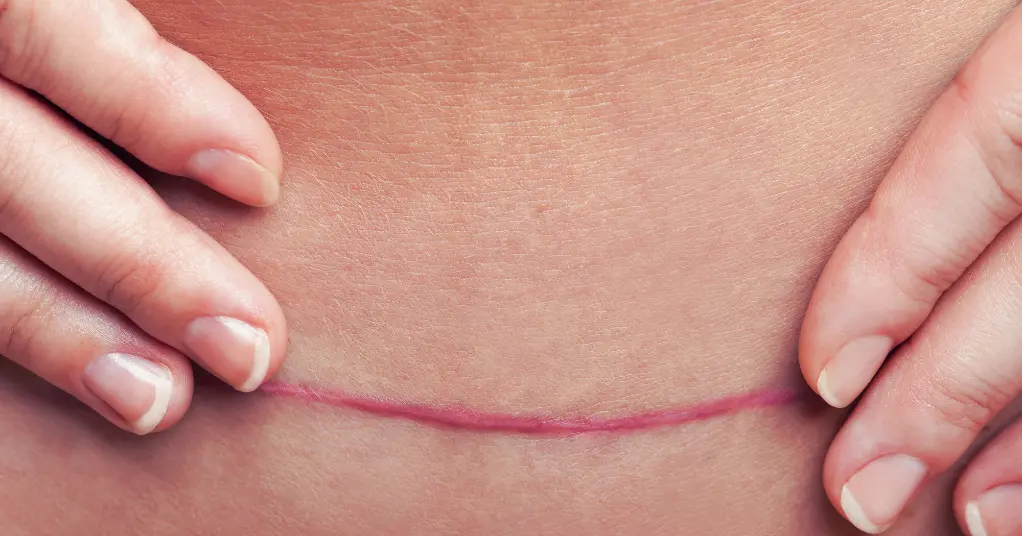
Natural Birth vs C-Section: Comparing the Experiences
Choosing between natural birth and a C-section isn’t just about pain tolerance or personal preference—it’s about understanding the physical, emotional, and medical implications of each. Here’s a side-by-side comparison to help clarify what mothers actually go through.
Labor and Delivery
Natural Birth:
- Involves uterine contractions and cervical dilation.
- Can last anywhere from a few hours to more than 24 hours, especially for first-time moms.
- Requires active participation from the mother (breathing, pushing).
- Pain management options include epidurals, breathing techniques, and natural methods.
C-Section:
- Scheduled or performed during labor due to complications.
- Delivery takes about 45 minutes to an hour.
- Mother remains awake (usually with spinal anesthesia) but feels tugging sensations.
- Less physical effort during the procedure but more invasive.
Pain and Recovery
Natural Birth:
- Intense labor pain, especially during active labor and pushing.
- Faster recovery: most women resume normal activities within 2–3 weeks.
- Lower risk of post-birth infections and complications.
C-Section:
- Less pain during birth (thanks to anesthesia) but significant post-surgical pain.
- Recovery takes 6–8 weeks; lifting, driving, and stairs may be restricted.
- Requires wound care and pain management.
Baby’s Health Outcomes
Natural Birth:
- Babies benefit from hormonal and physical processes that help transition to life outside the womb.
- Exposure to maternal bacteria boosts the immune system.
- Lower risk of respiratory issues at birth.
C-Section:
- Babies born via elective C-section before 39 weeks may experience breathing difficulties.
- May miss out on beneficial bacteria from vaginal delivery.
- Higher chance of NICU admission in some studies.
Bonding and Breastfeeding
Natural Birth:
- Immediate skin-to-skin contact is often possible.
- Facilitates early initiation of breastfeeding.
- Oxytocin release supports maternal bonding and milk letdown.
C-Section:
- Skin-to-skin may be delayed, especially in emergencies.
- Fatigue or post-op effects may delay breastfeeding.
- Extra support may be needed but outcomes can still be positive.
Emotional Experience
Natural Birth:
- Many mothers feel empowered by the process.
- Labor intensity can be traumatic if expectations aren’t managed or support is lacking.
C-Section:
- Can lead to feelings of disempowerment, especially if unplanned.
- Some report feelings of “missing out” or being disconnected from the experience.
- Others may feel grateful and relieved—every emotional journey is valid.
The Medical Perspective: Which Is Safer?
From a clinical standpoint, both Natural birth vs c-sectio have their own risks and benefits. The safety of each option depends heavily on the mother’s health, pregnancy complications, fetal position, and hospital resources.
Risks for the Mother
Natural Birth:
- Risks include perineal tearing, postpartum hemorrhage, or prolonged labor.
- Rare complications: uterine rupture (especially if there’s a previous C-section scar).
- Lower chance of surgical complications or blood clots.
C-Section:
Major abdominal surgery with increased risk of:
- Infections (uterine, wound, urinary).
- Blood clots (deep vein thrombosis).
- Anesthesia complications.
- Increased risk of placenta previa or uterine rupture in future pregnancies.
Risks for the Baby
Natural Birth:
- Rare risks: birth injuries like collarbone fracture or shoulder dystocia.
- Possible distress during labor (monitored with fetal heart rate tracking).
- Overall, fewer long-term health concerns when full-term.
C-Section:
Babies may experience:
- Respiratory distress syndrome, especially if delivered before 39 weeks.
- Delayed bonding or breastfeeding challenges.
- Rare risk of surgical injury during delivery.
When Is C-Section the Safer Option?
Doctors recommend or require C-sections in cases such as:
- Placenta previa (placenta blocking the cervix).
- Breech or transverse fetal position.
- Umbilical cord prolapse.
- Multiple births (especially triplets+).
- Previous C-section with vertical incision or classical uterine scar.
- Signs of fetal distress.
In these instances, a vaginal delivery could put both mother and baby at high risk. Thus, C-section is not a failure, but a life-saving alternative when needed.
Long-Term Impact on Mother and Baby
While the immediate outcome of birth is critical, the long-term effects on both mother and baby can shape future health, emotional well-being, and future pregnancies. Understanding these impacts helps women make informed decisions—not just for today, but for tomorrow.
Recovery and Healing for the Mother
Natural Birth:
- Generally involves a shorter recovery period (often a few days to 1–2 weeks).
- Mothers can move more freely, care for the baby sooner, and resume daily activities faster.
- Pelvic floor weakness or perineal discomfort may persist temporarily but usually improves with time and Kegel exercises.
C-Section:
- Recovery typically takes 4–6 weeks, with restrictions on lifting, bending, and driving.
- Mothers may experience longer-lasting abdominal pain, scar sensitivity, or surgical adhesions.
- Emotional challenges may occur due to the disconnect from “natural” expectations, especially if unplanned.
Impact on Breastfeeding
Natural Birth:
- Immediate skin-to-skin contact and early initiation of breastfeeding are more common.
- Hormonal responses triggered by labor (especially oxytocin) enhance milk letdown and bonding.
C-Section:
- Possible delay in milk production due to surgery and anesthesia.
- Initial pain or drowsiness can interfere with early breastfeeding efforts.
- However, with support and patience, many mothers successfully breastfeed after C-sections.
Psychological and Emotional Outcomes
Natural Birth:
- Often associated with a sense of accomplishment, empowerment, and connection to the birthing experience.
- Some women, however, may feel traumatized if labor is long, painful, or not what they expected.
C-Section:
- Can lead to mixed emotions—relief, guilt, or disappointment.
- Postpartum depression risk may be slightly higher, especially if the C-section was emergency-based or unplanned.
- Counseling and birth debriefing can help mothers process the experience.
Future Pregnancies and Birth Plans
Natural Birth:
- Generally leaves the uterus intact, allowing for easier future pregnancies and deliveries.
- However, severe tearing or complications might require special care next time.
C-Section:
- Increases the risk of placenta accreta, uterine rupture, and complications in subsequent pregnancies.
- Some women may need to opt for repeat C-sections, although VBAC (Vaginal Birth After Cesarean) is possible for many with proper monitoring.
Cultural and Personal Beliefs Around Birth
Natural birth vs c-sectio: Birth is not just a medical event—it’s deeply embedded in cultural values, personal identity, and emotional expectations. These beliefs often shape a woman’s perception of what birth “should” look like, and may significantly influence her choice between natural birth and C-section.
Societal Pressure and Expectations
In many cultures, natural birth is seen as a rite of passage—a symbol of strength, femininity, and resilience. Women may feel pressure to avoid interventions in order to prove their endurance.
Western societies often celebrate natural, unmedicated birth as the ideal.
In contrast, some cultures may normalize or prefer C-sections, especially in private hospitals or among affluent communities, seeing it as modern, clean, and safe.
Family Influence and Intergenerational Advice
Decisions are frequently influenced by mothers, grandmothers, or older siblings, whose own experiences can strongly sway opinions:
- A mother who had a traumatic labor may advise her daughter to choose a planned C-section.
- A family with a history of quick, uncomplicated births may encourage natural delivery as the default.
- These narratives, while well-meaning, can sometimes override individual medical advice or personal comfort.
Religious and Spiritual Views
In some religious traditions, birth is seen as a sacred journey—a test of faith and divine will. Natural labor, with all its challenges, may be embraced as part of a woman’s spiritual growth.
Some may view pain relief or surgical birth as disrupting the “natural” or “divine” process.
Others may believe that modern interventions, like C-sections, are gifts from God or necessary blessings to protect life.
Respecting these views while balancing them with medical reality is often a delicate but necessary part of maternal care.
The Role of Media and Celebrity Culture
Social media and celebrity influence play a huge role in shaping public opinion about childbirth:
- Birth vlogs, influencer stories, and Instagram posts often glorify natural home births or elective C-sections with luxury care.
- While these portrayals can be empowering, they may also set unrealistic expectations or promote one-sided narratives.
- Women may end up comparing themselves unfairly or feel like failures if their birth story doesn’t “match” those seen online.

Medical Indications and Risk Factors
While personal preference matters, the final decision between a natural birth and a C-section often hinges on medical realities. Understanding the conditions that necessitate one mode over the other is critical for informed decision-making.
When Is a C-Section Medically Necessary?
A Cesarean section may be recommended or required when natural birth poses risks to the mother, baby, or both. Common medical reasons include:
- Placenta previa (placenta covering the cervix).
- Breech presentation (baby is feet- or bottom-first).
- Fetal distress, such as abnormal heart rate.
- Prolonged or stalled labor.
- Umbilical cord prolapse.
- Multiple pregnancies (especially with abnormal positions).
- Previous C-section with complications or a vertical uterine incision.
- In such cases, a timely C-section can be life-saving.
When Natural Birth Is the Safer Option
For healthy pregnancies without complications, vaginal birth is generally preferred due to:
- Lower surgical risk (no anesthesia-related issues or wound infections)
- Faster postpartum recovery
- Lower risk of respiratory problems for the baby
- Enhanced early bonding and immediate breastfeeding
Still, continuous monitoring during labor is essential to catch any sudden changes that may warrant an emergency C-section.
Elective C-Sections: A Gray Zone
In some cases, women choose C-section without a medical reason—often due to:
- Fear of labor pain.
- Scheduling convenience.
- Prior traumatic vaginal birth.
However, elective C-sections should be carefully discussed with healthcare providers, as they carry surgical risks and longer recovery periods.
VBAC: Vaginal Birth After Cesarean
VBAC can be a safe and empowering option for many women. According to the American College of Obstetricians and Gynecologists (ACOG):
- About 60–80% of women who attempt VBAC are successful.
- It is generally considered safe when the prior C-section used a low transverse uterine incision.
- VBAC is not recommended if the previous C-section involved a vertical uterine cut or if other complications exist.
- The decision for VBAC should be made with careful assessment of personal and medical history.
The Recovery Process: Physical and Emotional Differences
Whether a woman gives birth vaginally or through a C-section, recovery is a deeply personal and often underestimated journey. Understanding what to expect can help reduce anxiety and improve both physical healing and emotional well-being.
Physical Recovery After Natural Birth
For most women, vaginal birth offers a quicker and less invasive recovery. However, it still comes with challenges, such as:
- Perineal pain from tearing or an episiotomy.
- Postpartum bleeding (lochia), which can last 4–6 weeks.
- Hemorrhoids or constipation.
- Sore muscles from pushing.
- Uterine contractions (afterpains) as the uterus shrinks back.
Most women can move freely, shower, and care for their baby within hours after birth. With proper rest, nutrition, and pelvic floor exercises, recovery is usually complete within 6 weeks.
Physical Recovery After C-Section
C-section recovery is longer and more complex because it involves major abdominal surgery. Expect:
- Hospital stay of 2–4 days.
- Incision pain and wound care for several weeks.
- Lifting restrictions to avoid tearing stitches.
- Increased risk of infection and blood clots.
- Delayed return to physical activity and driving.
- Complete healing often takes 8–12 weeks, and some women experience lingering numbness or scar sensitivity.
Emotional and Mental Health Differences
The emotional recovery process varies just as much as the physical one.
Natural birth may bring a strong sense of empowerment, but some women feel disappointed if their birth plan changes or if they experience trauma during delivery.
C-section mothers might struggle with feelings of guilt or disconnection, especially if the surgery was unplanned.
Both groups are vulnerable to postpartum depression or anxiety, particularly if they lack support or feel judged for their birth experience.
Tips to Support Recovery
Regardless of the birth method, here are evidence-based strategies to aid recovery:
- Prioritize rest and sleep when possible.
- Eat nutrient-dense meals to support healing.
- Seek emotional support from partners, family, or support groups.
- Avoid comparisons with others’ birth stories.
- Communicate openly with healthcare providers about pain, mood, or unusual symptoms.
Remember: there’s no “better” way to recover—only what’s right and healthy for you.
Impact on Baby: Health, Bonding, and Breastfeeding
The method of delivery doesn’t just affect the mother — it can have meaningful, and sometimes lasting, effects on the baby. From respiratory health to early bonding and breastfeeding success, let’s break down the real differences.
Respiratory Health and Immunity
Babies born vaginally pass through the birth canal, which compresses their chest and helps expel fluid from the lungs — a natural preparation for breathing air. This often leads to:
- Better immediate respiratory function.
- Lower risk of transient tachypnea (TTN), a common breathing issue in newborns.
- Stronger immune systems due to exposure to maternal vaginal and gut microbiota.
In contrast, C-section babies (especially those born without labor) are more likely to:
- Experience delayed lung fluid clearance
- Be admitted to neonatal intensive care for breathing support
Miss exposure to beneficial bacteria, which might affect long-term gut health and immune development
Early Bonding and Skin-to-Skin Contact
Bonding begins in the first minutes after birth, and early skin-to-skin contact plays a major role in emotional connection, temperature regulation, and even heart rate stability.
Natural birth often allows for immediate skin-to-skin and eye contact, encouraging oxytocin release in both mom and baby.
C-section deliveries can delay this initial contact, especially under general anesthesia or if complications arise. However, with planning, gentle C-sections and modified protocols now allow many mothers to hold their baby shortly after surgery.
Breastfeeding Initiation and Success
Mode of delivery can influence how quickly and effectively breastfeeding begins:
Vaginal births are typically associated with earlier latch and more successful breastfeeding initiation within the first hour.
C-section births may face delays due to maternal drowsiness, post-op pain, or separation, potentially leading to:
- Delayed milk production.
- Increased need for formula supplementation.
- Shorter breastfeeding duration.
Still, with lactation support and determination, C-section mothers can exclusively breastfeed successfully—it just may take more patience and support.
Long-Term Development: Myths vs. Facts
There’s a lot of misinformation about how birth method affects long-term outcomes like intelligence, emotional stability, or allergies.
Current research shows no consistent evidence that delivery method alone significantly impacts cognitive or emotional development.
However, some studies suggest slightly higher risks of asthma, type 1 diabetes, and obesity in C-section babies—possibly due to differences in microbiome development.
It’s essential to interpret these findings in context. Genetics, environment, and parenting style play much larger roles in a child’s long-term health.
Making the Right Decision for You
Choosing between natural birth and a C-section isn’t about picking the “best” option universally—it’s about identifying what’s best for you and your baby based on your health, preferences, risks, and values.
Factors to Consider Medical Necessity
If you have a high-risk pregnancy — such as placenta previa, breech position, or multiple previous C-sections — your doctor may recommend a C-section for your safety and the baby’s.
Previous Birth Experience: Some women who had a difficult vaginal birth may opt for a C-section the second time, while others who had a smooth vaginal delivery prefer to go that route again.
Emotional and Mental Health: The fear of childbirth (tokophobia), PTSD from a past traumatic birth, or anxiety around surgery may influence your preference. It’s important to communicate these feelings with your care provider.
Recovery Time: While vaginal birth usually comes with a quicker physical recovery, some women experience significant perineal trauma that makes healing challenging. On the other hand, C-sections require longer hospital stays and come with more restrictions during recovery.
Future Fertility and Birth Plans: If you’re planning multiple children, the type of birth now might affect your options later. For instance, multiple C-sections can increase the risk of placenta accreta or uterine rupture.
Cultural and Personal Beliefs: Your background, personal values, or even religious beliefs may influence your feelings about birth. Some see natural birth as a rite of passage, while others feel safer with surgical intervention.
Whether you are leaning toward natural birth or a C-section, understanding these factors can help you make a decision that feels right for your unique situation.
Personalized Care and Shared Decision-Making
The best decisions happen when you and your provider work as a team.
Discuss your goals and fears openly with your obstetrician or midwife. A good provider will listen, offer tailored advice, and never pressure you into a birth plan you’re not comfortable with.
Create a flexible birth plan that outlines your preferences but allows room for medical decisions if emergencies arise.
Stay informed. Reading medically-reviewed articles, attending childbirth classes, and joining support groups can empower you.
Be prepared to adapt. Even the most carefully planned birth may go differently than expected — and that’s okay. What matters most is the safety and well-being of both you and your baby.
Choosing between natural birth and C-section is deeply personal. There’s no one-size-fits-all answer — only the answer that’s right for you.
Frequently Asked Questions (FAQs)
1. Is natural birth safer than a C-section?
It depends on the pregnancy. For most healthy women with low-risk pregnancies, natural birth is generally safe and comes with fewer complications and a faster recovery. However, in high-risk cases, a C-section may be the safer option for both mother and baby.
Source: Mayo Clinic, Childbirth: What to expect
2. Can I choose to have a C-section even if there’s no medical reason?
Yes, this is called an elective C-section. Some women request it due to fear of labor pain, past trauma, or scheduling convenience. However, most health organizations recommend vaginal birth unless a medical indication suggests otherwise.
Source: American College of Obstetricians and Gynecologists (ACOG)
3. Does natural birth affect future pregnancies?
Natural birth usually supports easier recovery and may make future vaginal births smoother. However, if complications like severe tearing or pelvic floor damage occur, it might influence future deliveries.
Source: Cleveland Clinic, Vaginal Delivery
4. How many C-sections can a woman safely have?
There’s no fixed limit, but the risk of complications such as placenta accreta or uterine rupture increases with each repeat C-section. Many doctors advise caution after 3–4 C-sections, depending on individual health.
Source: National Institutes of Health (NIH)
5. Is recovery harder after a C-section?
Typically, yes. A C-section involves major abdominal surgery, which requires a longer hospital stay, more pain management, and several weeks of healing. In contrast, most women recover faster after a vaginal birth, though it can vary based on complications.
Source: World Health Organization (WHO), Postpartum care guidelines
6. Can I have a natural birth after a C-section (VBAC)?
Yes, many women are candidates for VBAC (Vaginal Birth After Cesarean), especially if they’ve had only one previous C-section with a low transverse incision. However, it must be done under medical supervision due to potential risks.
Source: ACOG – Guidelines on VBAC
7. Which is more painful — natural birth or C-section?
Natural birth involves intense labor pain, but it’s temporary and often followed by quicker recovery. A C-section is typically painless during surgery (due to anesthesia), but the postoperative pain and recovery can be more prolonged.
Note: Pain perception varies greatly between individuals.
Sources & References
- American College of Obstetricians and Gynecologists (ACOG)
- Vaginal Birth After Cesarean Delivery (VBAC)
- Cesarean Birth Overview https://www.acog.org
- Mayo Clinic https://www.mayoclinic.org/ C-section risks and recovery
- Vaginal birth: What to expect
- World Health Organization (WHO)
- WHO recommendations: non-clinical interventions to reduce unnecessary caesarean sections
- Postnatal care for women after childbirth https://www.who.int
- Cleveland Clinic
- Vaginal Delivery: What You Should Know
- Cesarean Delivery (C-Section) https://my.clevelandclinic.org
- National Institutes of Health (NIH)
- Risks of Repeat Cesarean
- Birth Cesarean Delivery on Maternal Request
- https://www.nih.gov
- Johns Hopkins Medicine
- Natural Childbirth vs. C-section: Pros & Cons https://www.hopkinsmedicine.org
- National Health Service (NHS – UK)
- Caesarean Section Information
- Recovery after birth https://www.nhs.uk
- March of Dimes
- Types of birth: Cesarean and vaginal birth explained https://www.marchofdimes.org